Using a older camera the Fuji X-E1
As photographers, we collect or buy multiple cameras over time. We sell our older cameras or leave them on the shelf to gather dust.
Lately, I’ve noticed that photographers on YouTube are increasingly returning to their older cameras. Often out of nostalgia, but also to go back to a “simple or easier” camera with fewer settings, so you can focus more on taking pictures. These cameras are often simpler and have fewer settings.
Once you’ve been taking pictures for a while with your “older” camera, you’ll also appreciate your current camera. You’ll notice how good today’s cameras are in terms of autofocus, dynamic range, and the number of megapixels in the sensor.
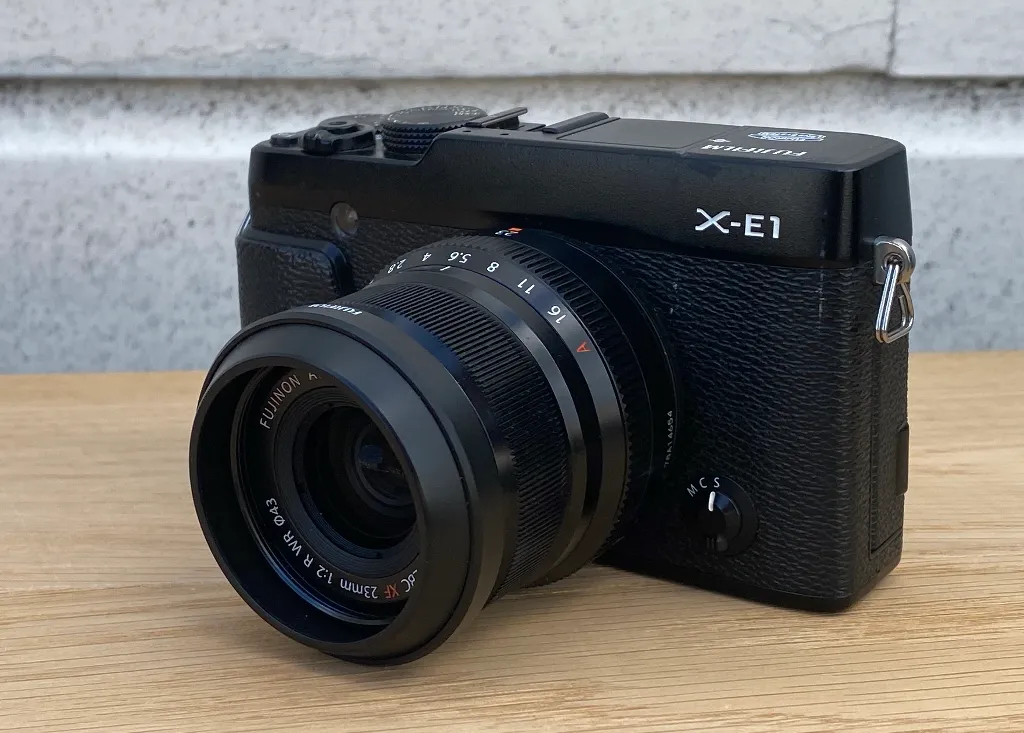
Inspired by the Youtuber One Month Two Cameras , i dig up my old trusty Fuji X-E1
As photographers, we often own several cameras over time. We collect, buy, or sell our older cameras, or they sit on the shelf gathering dust because we prefer to shoot with our newest camera.
Lately, I’ve noticed that photographers on YouTube are increasingly returning to their older cameras. This is often out of nostalgia, but also to go back to a “simpler and easier” camera, so that you can focus more on taking pictures. These cameras are often simpler and have fewer settings.
I’ve noticed that when you’ve been shooting with your older camera for a while, you also appreciate your current camera more. You notice how good today’s cameras are in terms of autofocus, dynamic range, and the number of megapixels in the sensor.
This camera is from 2013, by today’s standards: slow, sluggish autofocus, mediocre EVF (electronic viewfinder). The 16-megapixel APC sensor is the Xtrans 1, which was Fuji’s first digital sensor in the X series. In 2025, Fuji will be on version 5. For more secs and review on DPreview
This was also the first Fuji camera where you could adjust the settings for JPEG photos. Later versions of Fuji sensors have turned these features into a real community. Look at e.g. Ross and his JPEGs or fujifilmsimulations.com
My recipe of choice is the Fuji Porta 400 Simulation, because of the limited option of the Xtrans 1 processor, you can’t alter many parameters.
Favorite Film Recipe: Porta 400
The settings for JPEG are from Kodak Porta 400 by Piotr Skrzypek FujiFilm Recipes
Simulation: Pro Negative High
- DR : auto
- White Balance: 6300-6700K (-1 R, 0 B, 0 G)
- Highlights: -2
- Shadows: 0
- Color: 0
- Sharpness: -2
- Nr: -2
- Exp comp: as you like, I usually give it +1, +1⅓
This recipe gives the SOOC (Straight Out Of Camera) jpegs a nice punch an a classic film style look from this analog film.
These settings are best on bright and sunny days, the color are vibrant and warm. The color temparture is relative high, so every color this pushed to the warm site.
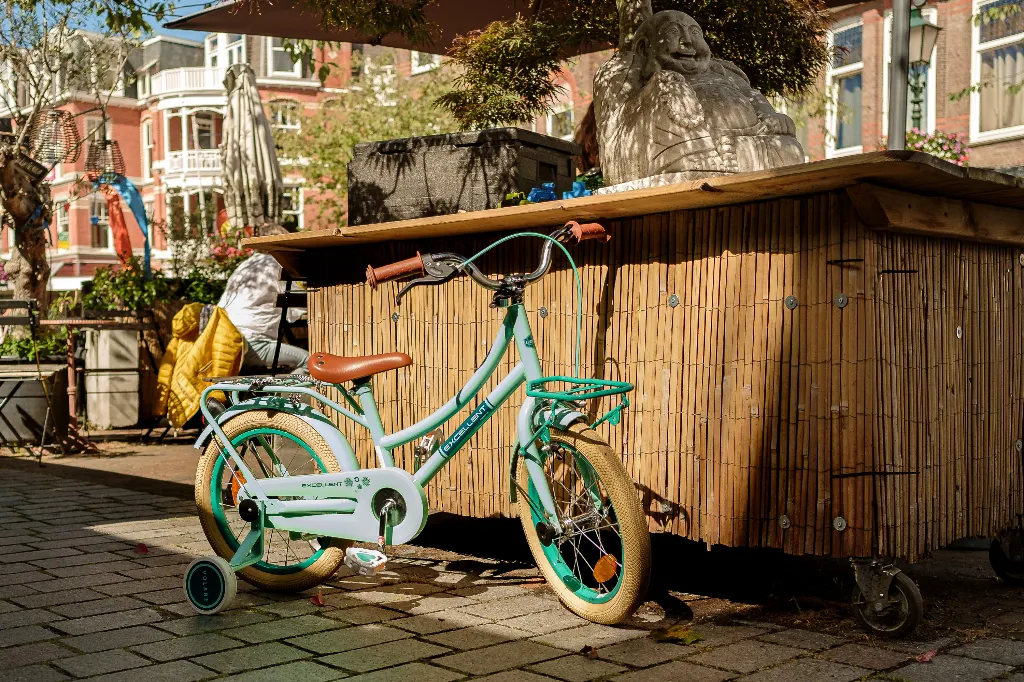
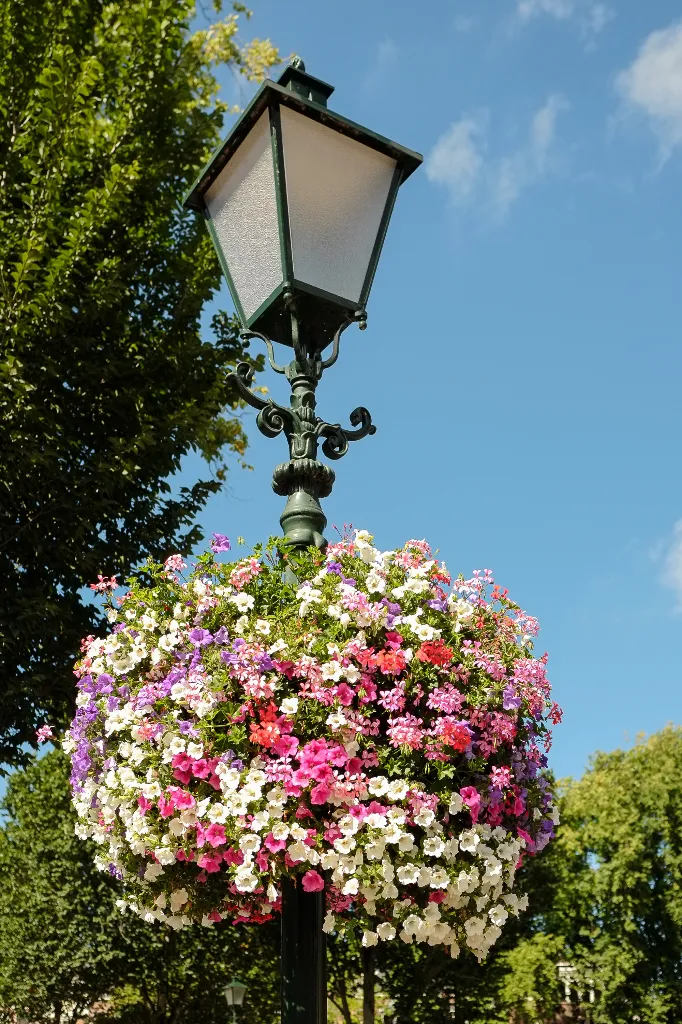
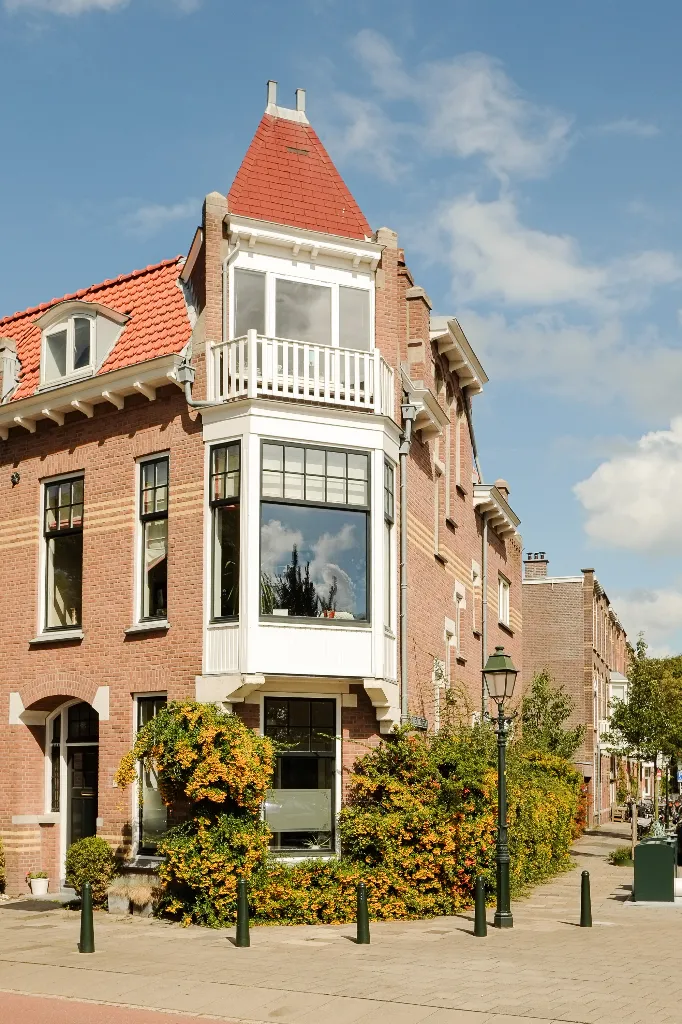
Her are a few examples made with Fuji X-E1 and 23mm/f2.0 objective (35mm Full-Frame equivalent)